

Visa Token Service
Visa Token Service
Offer more ways to pay
Custom payment solutions
Custom payment solutions
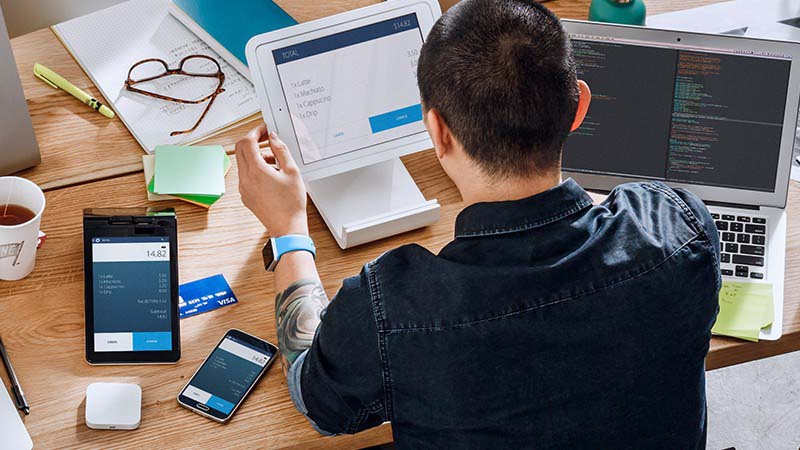
Visa Developer Platform
- Work with us to create your own mobile payment application with the Visa Token Service SDK
- Develop payment solutions that integrate directly with token management tools.
Contactless payment solutions
Contactless payment solutions
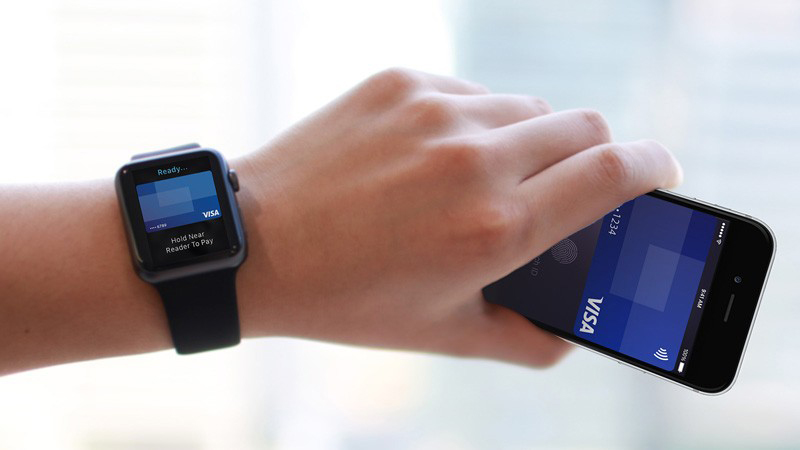
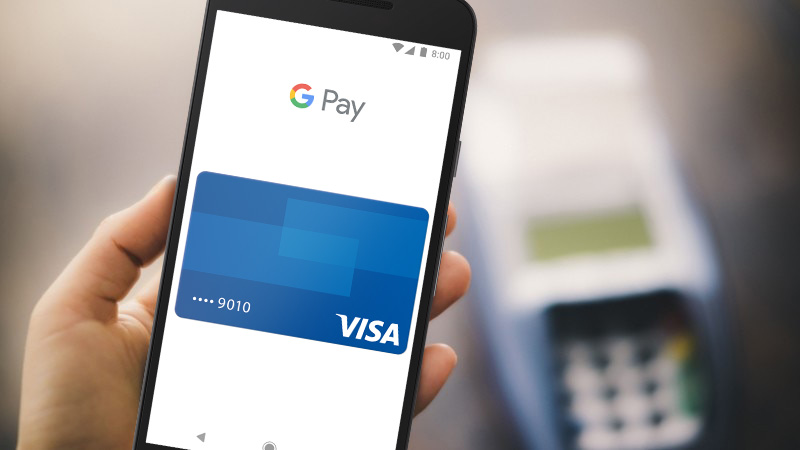
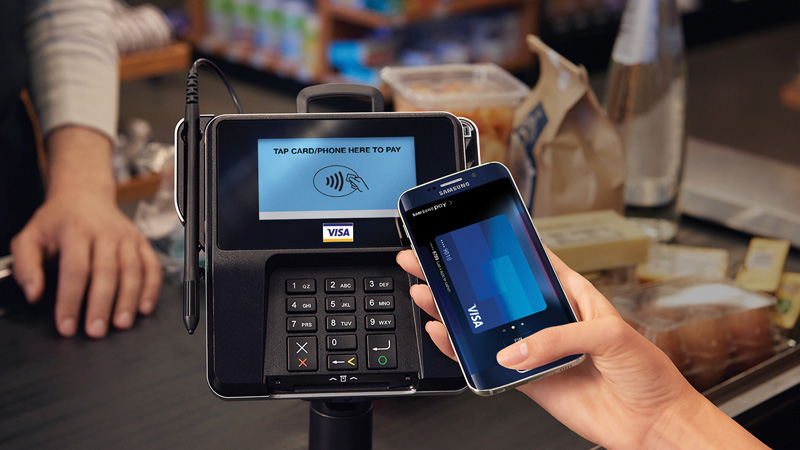
Samsung Pay
A safe and simple way to make purchases with your Visa compatible Samsung devices.
eCommerce solutions
eCommerce solutions

Visa Checkout
Visa Checkout makes it easier for your cardholders to pay online. Consumers create an account once and then speed through checkout with a single login, without having to re-enter their card or delivery details at every visit.
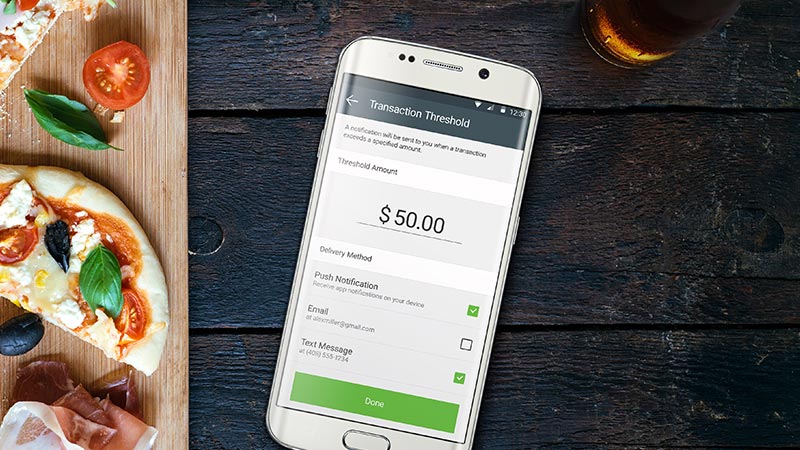
New Ways to Pay Online
Card on File securely stores tokenised accounts and updates card data captured from online consumers for a better checkout experience.
Developing payment experiences
Developing payment experiences
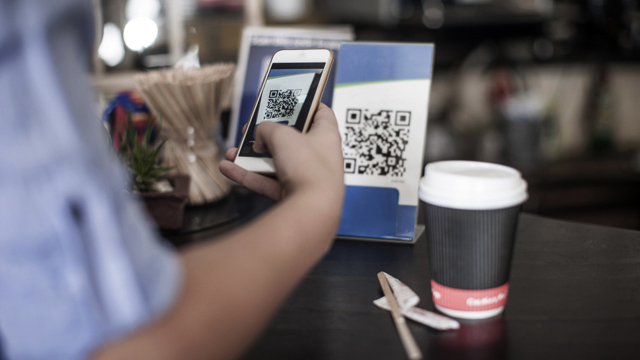
QR code
Purchases made by scanning a QR code on a mobile device screen.

BLE
Bluetooth® Low Energy (BLE) allows purchase from anywhere in the store.
Three essential tools
Three essential tools
Get started with the Visa Digital Enablement Programme
Get started with the Visa Digital Enablement Programme
Ready to get started?
Ready to get started?
Q + A
Q + A
What is payment tokenisation?
Payment tokenisation is the process of replacing the traditional payment card account number with a unique digital token in online and mobile transactions. Tokens can be restricted for transactions with a specific mobile device, merchant or transaction type. The tokenisation process happens in the background in a way that is invisible to the consumer.
Is there an industry standard for tokenisation?
In October 2013, Visa, MasterCard and American Express proposed a new standard for digital payments. EMVCo – the global standards organisation that oversees EMV specifications to ensure interoperability and acceptance – has since built on this framework with input from EMVCo’s members and the industry to advance availability and adoption of tokens around the world. EMVCo published the initial version of the specification in March 2014. The development of a global standard will help enable a new generation of payment products, while maintaining compatibility with the existing payments infrastructure.
Why was a new industry standard needed?
We live in a “connected” world. As more consumers make purchases online with smartphones, tablets and PCs, the payments industry is focused on delivering a safe, secure, simple and consistent consumer purchasing experience, regardless of where they are and what device they are using. The development of a global standard will help enable a new generation of payment products, while maintaining compatibility with the existing payments infrastructure.
How will the standard be managed?
EMVCo, the global standards organisation that oversees EMV specifications, has expanded its scope to also develop tokenisation specifications. EMVCo has built the framework with input from EMVCo’s members and the industry as we collectively seek to advance availability and adoption of tokens around the world. EMVCo published the initial version of the specification in March 2014.
Why are payment tokens important to the payments community?
Tokens help to simplify the purchasing experience for consumers by largely eliminating the need to enter and re-enter the account number when shopping on a smartphone, tablet or PC. Tokens can also help prevent fraud in e-commerce and m-commerce transactions by removing sensitive card account information from the payment process. Finally, merchants and digital payment providers can store payment tokens in place of payment account numbers, this further enhances payment security.
Payment tokens can also include additional data fields to provide richer information about the transaction helping to improve transaction efficiency and security, and provide more information about the circumstances under which the transaction was initiated.
What is Visa doing with regard to tokenisation?
Industry standard
Visa participated in the development of a cross-industry standard which provides a globally consistent approach to payment tokens. Elements of the standard include token creation and de-tokenisation, new data fields in authorisation, clearing and settlement, and token identification and verification services.
VisaNet processing
In April, Visa published mandatory changes by June 2014 (as outlined in April 2014 Technical Letter).
All US VisaNet endpoints must be capable of recognising and processing payment token-related data; a critical step in migration to payment token processing.
Visa Payment Token Service
Visa has developed a token service which is expected to be available to issuers in late 2014. The service will also help issuers manage the life cycle of payment tokens, as well as detokenise a Visa-created token when necessary. It can also support issuance of multiple tokens for a single account, each tied to a specific mobile device or service. The Visa token service is expected to be commercially available in late 2014. The service will align with the requirements outlined in the EMVCo specification.
How would the token be different from a virtual card?
A virtual card is typically a one-time use account number that can be used for online purchases. A token can be used for multiple purchases, and can be restricted in how it is used with a specific merchant, device, transaction or category of transactions.
What are the benefits of payment tokenisation to different stakeholders?
Payment tokenisation offers significant benefits to all stakeholder groups:
Issuers should see a decrease in e-commerce and m-commerce fraud and its associated costs (fraud losses, exception handling, customer service and card re-issuance).
Acquirers and processors should experience a reduced threat of sensitive cardholder data being usable by fraudsters if compromised.
Merchants and their service providers should experience a reduced threat of sensitive payment data being usable by fraudsters if compromised. Merchants will also have a powerful tool that will allow them to develop innovative retail experiences without the burden of handling this sensitive payment account data.
Tokens help to simplify the purchasing experience for consumers by largely eliminating the need to enter and re-enter the account number when shopping on a smartphone, tablet or PC.
What is required of Visa clients regarding the tokenisation standard?
A Technical Letter issued in October 2013 included specifications for US VisaNet endpoints to enable the minimum data fields. Clients with US VisaNet endpoints are required to enable the minimum data fields that will be needed to ensure payment tokens can be recognised and processed seamlessly across the Visa ecosystem by June 2014. These mandatory modifications were part of the April 2014 VisaNet Business Enhancement Release and were aimed at ensuring all VisaNet endpoints - US acquirer processors, acquirers, merchants, issuer processors and issuers that are directly connected to Visa - are keeping pace with industry developments in digital payments.
With efforts accelerating in the US marketplace to enable streamlined digital payments, these system modifications are an important first step to ensure all Visa clients - regardless of scale or capability - will be able to recognise payment tokens passing over their systems and process them effectively. Marketplace activity in the US creates a need for these requirements to first be implemented in the US Visa is in the process of developing a roadmap for VisaNet processing support for tokens globally.
Is tokenisation a US only initiative?
This is a global initiative and the service is based on a proposed global standard. However, the initial implementation will be in the US More information regarding Visa’s deployment in other countries as the rollout continues.