

Protect your business from fraud
Protect your business from fraud
Fraud Prevention
Accepting with card present
Accepting with card present
Insert the card
Insert the card into a chip-reading device or wave the card in front of a Visa payWave contactless payment terminal to request the transaction authorization.
Check the card
While the transaction is being processed, check the card’s unique design features and security elements, if possible. Make sure the card is valid and has not been altered in any way.
Check the card against receipt
Compare the name and last four digits of the account number to those on the transaction receipt.
Section 4
Compare the name and last four digits of the account number, and signature on the card to those on the transaction receipt.
If you suspect fraud
Adhere to your merchant store procedures and respond accordingly.
Accepting with card absent
Accepting with card absent
Authorize with caution
Authorize every transaction, and include the card expiration date in every authorization request.
- An invalid or missing expiration date might mean the customer doesn’t have the actual card in hand. Ask for more information if you receive an authorization but still suspect fraud.
- Ask for the name of the bank that appears on the front of the card.
- Contact the cardholder with any questions.
- Confirm the order separately by sending a note via the customer’s billing address rather than the “ship to” address.
Warning signs
- First-time shopper
- Larger than normal order
- Order that includes several of the same item
- Order with many big-ticket items
- Rush or overnight shipping requested
- Shipping to an international address
- Transactions with similar account numbers
- Transactions placed on multiple cards all shipping to a single address
- Multiple transactions on one card over a short period of time
- Multiple transactions on a card with a single billing address, shipping to multiple addresses
- Multiple cards used from a single IP address
- Orders from Internet addresses that make use of free e-mail services
- First-time shopper
Fraud prevention tools
Fraud prevention tools
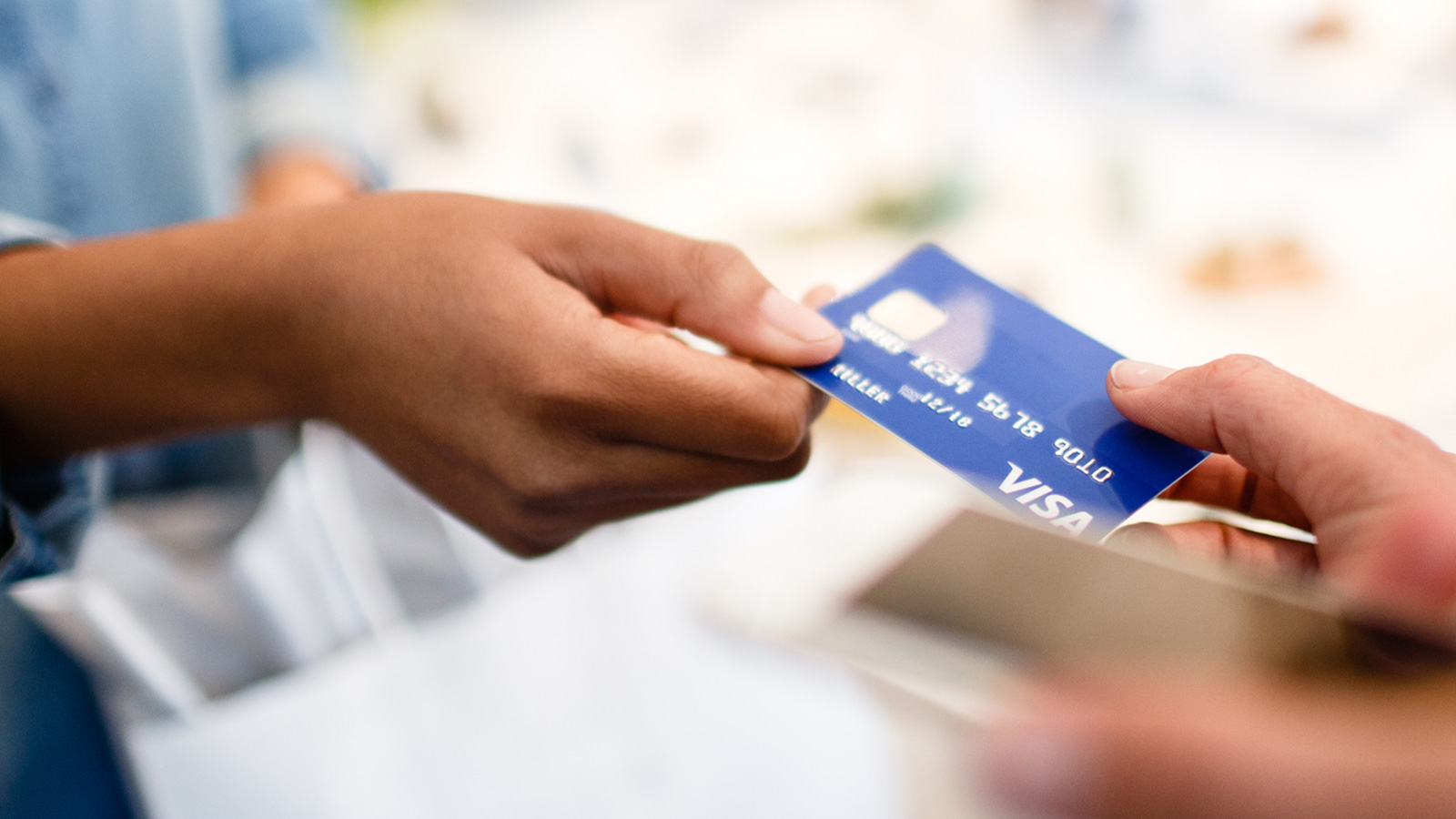
Chip-activated terminals
A unique, one-time authorization code protects chip card transactions.

Verified by Visa
The cardholder enters a password to verify their identity, which is confirmed by the card issuer in real time.

Address Verification Service (AVS)
Check the billing address with the card issuer.
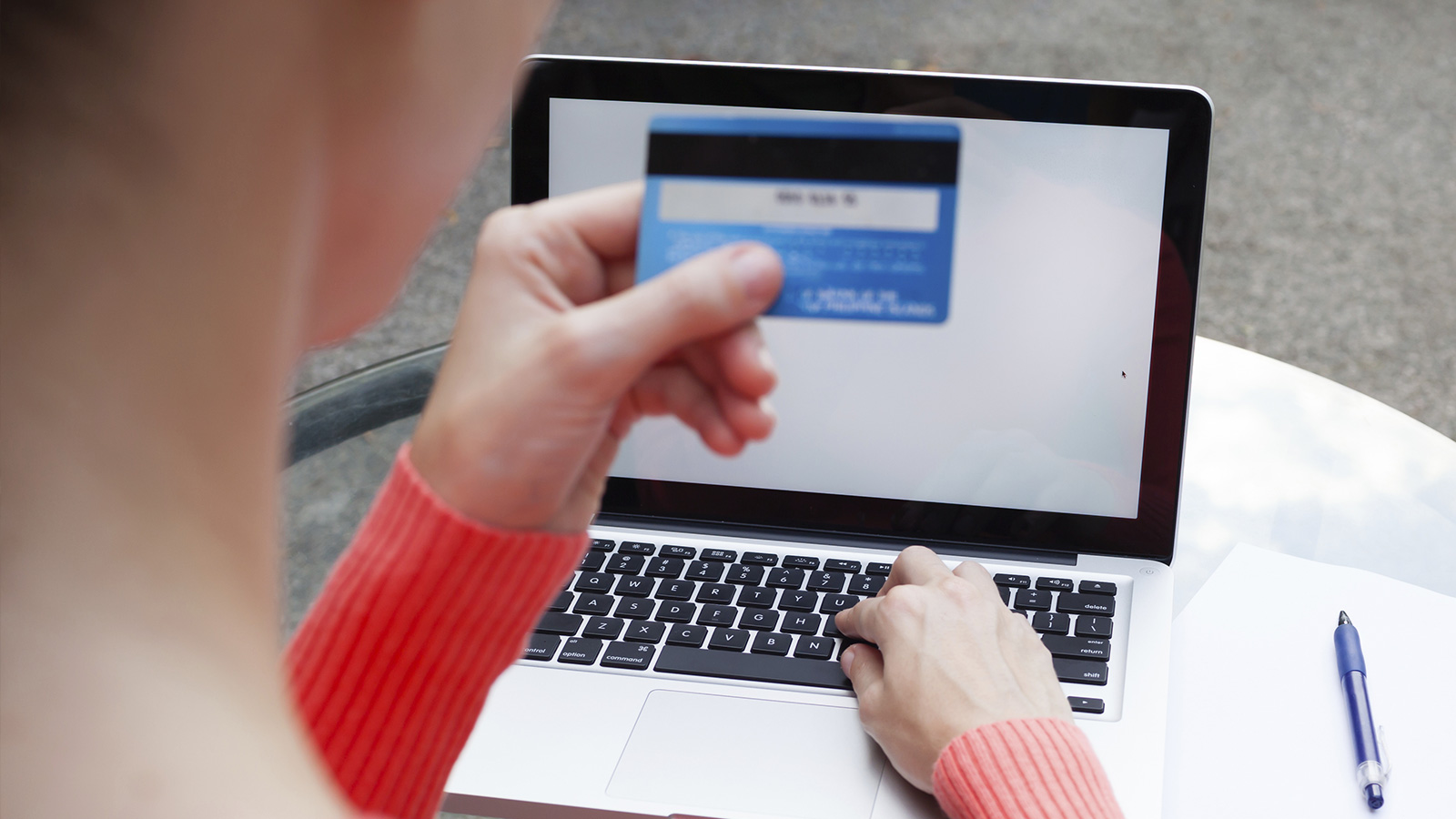
Card Verification Value 2 (CVV2)
A three-digit number is imprinted on the signature panel of all Visa cards.

Cybersource
Services for processing online payments, streamlining fraud management, and simplifying payment security.
Suspect fraud?
Suspect fraud?
What to do if you’re suspicious
Merchants should establish procedures for responding to suspicious transactions. Your sales staff should be familiar with these procedures and receive regular training on them.
Card-Present Merchants
If your sales staff is suspicious of fraud, they should follow the established procedures, which could include asking for identification in accordance with the following rule:
A merchant may request cardholder identification in a face-to-face environment. If the name on the identification does not match the name on the card, the merchant may decide whether to accept the card. If the cardholder does not have or is unwilling to present cardholder identification, the merchant must honor the card.
Mail Order/Telephone Order Merchants (MOTO)
For suspicious MO/TO transactions, you should:
- Ask the customer for additional information: For example, ask for day and evening phone numbers and call the customer back later. Some merchants ask for the bank name on the front of the card.
- Separately confirm the order with the customer: Send a note to the customer’s billing address, rather than the shipping address.
- When requesting additional information to verify orders, telephone order employees should use a conversational tone so as not to arouse customers’ suspicions. If a customer balks or asks why the information is needed, employees should say they are trying to protect cardholders from fraud.
E-commerce merchants
For suspicious transactions, e-commerce merchants should establish effective procedures for cardholder verification calls. Contacting customers directly not only reduces fraud risk, but also builds customer confidence and loyalty. Your verification procedures should address the need both to identify fraud and leave legitimate customers with a positive impression of your company.
- Use directory assistance or Internet search tools to find a cardholder’s telephone number. Do not use the telephone number given for a suspect transaction.
- Confirm the transaction, resolve any discrepancies, and let the cardholder know that you are performing this confirmation as a protection against fraud.
Fraudulent travelers cheques
Visa Travelers Cheques are a safer and more secure form of payment than cash and are accepted around the world at millions of locations. But like most forms of payment, criminals can attempt to use counterfeit or stolen travelers cheques to make purchases.
More resources
More resources

Find more information on protecting your business
Cybercriminals Targeting Point of Sale Integrators (PDF)
5 Important Visa Rules That Every Merchant Should Know (PDF)